
Eamon Walsh and Shalin Bhatia launched a startup to connect SNAP recipients with fresh food, but new federal laws are changing the way the program is funded, perhaps putting it all at risk. The duo shifted their focus: If they could come up with a solution that kept money in state wallets and kept the program functioning, they could help protect food security for millions of Americans.
The cornerstone of American food security
The Supplemental Nutrition Assistance Program (SNAP) is the backbone of food assistance in America, serving roughly 42 million people per year. Being the largest food security program in the United States, with over 12% of residents relying on it, threats to SNAP are threats to the food for millions. SNAP accounts for more than two-thirds of USDA food and nutrition program spending, making it the predominant investment in food assistance programs.
SNAP acts as an economic stabilizer because more people qualify during recessions, when wages fall, and unemployment rises. Recipients typically spend their benefits quickly, supporting jobs and contributing to GDP. Historically, the federal government has borne the cost of SNAP while states have been responsible for running the program and approving the distribution of funds.
SNAP payment error rates threaten State wallets
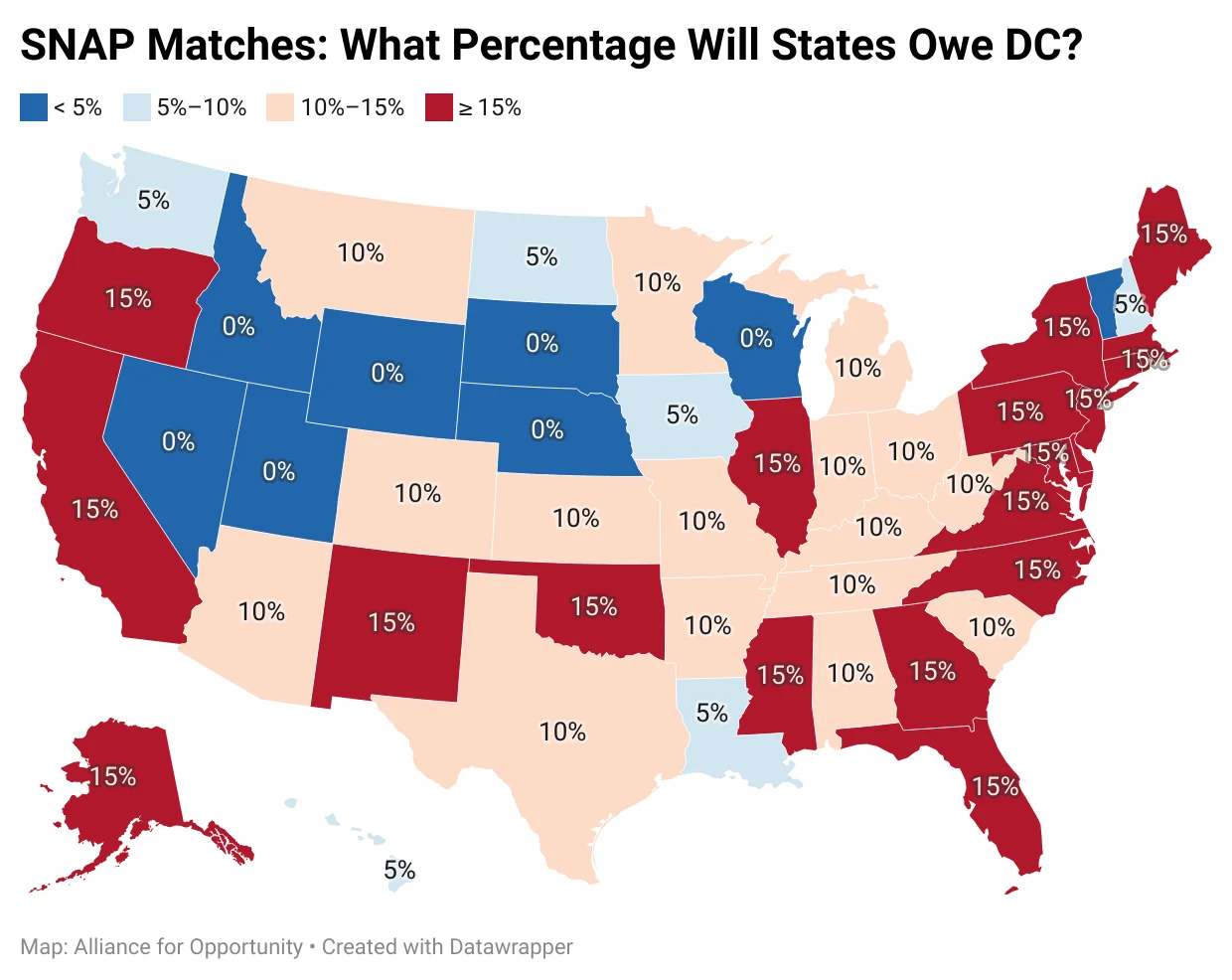
Under the recent passage of H.R. 1, states will be required to share the cost of the program beginning in 2027 (FY 2028). Payment error rates in the program have increased in recent years, partly because policy changes have loosened some program requirements. Error rates rose to 10.93% in 2024, triple what they were in 2013. In the future, state contributions to the program will be tied to payment error rates, with states that have higher error rates required to cover up to 15% of the cost.
Payment error rates threaten the security of SNAP and state budgets, which could, in turn, affect those receiving benefits. Reducing the payment error rate is critical for state and national budgets and for SNAP’s long-term viability. It is necessary to tackle the issue now before states pay the cost and beneficiaries miss out.
To tackle the issue of error rates, machine learning can help
With billions on the line, enter Savor SNAP. Founded by childhood friends Eamon Walsh and Shalin Bhatia, the startup originally focused on connecting SNAP recipients with fresh food. With new federal regulations putting pressure on states, the founders have shifted their focus to developing a solution to reduce SNAP payment error rates, enabling states to identify issues and make corrections before it’s too late. They’re developing a solution that uses machine learning to identify and flag fund misallocations before they ever occur. SNAP’s size means state workers often manage overwhelming caseloads that make errors more common and harder to catch. Savor SNAP aims to alleviate the burden on SNAP caseworkers and state quality control (QC) agents, improve efficiency across departments, and ultimately help recipients.

Misallocation of funds may draw thoughts of fraud, but it is more nuanced than that, with errors often being a result of the complex landscape of SNAP. “A lot of people think payment errors are due to fraud, but most of the time it’s just honest mistakes. Recipients typing in the wrong number, misreporting income slightly, and data entry errors. It’s a result of the current system in place,” Eamon said. “When we’re talking about errors, we’re talking about over- and underpayments in SNAP benefits, so our solution would help states flag the errors before they become costly.” With the majority of payment errors being non-fraudulent, the founders argue that machine learning can help agencies identify patterns in complex, messy data. One of Shalin and Eamon’s main goals is to reduce the burden on state caseworkers and QC teams. As Shalin described, the new regulations could put these teams under greater pressure.
“Caseworkers’ burden is just going to become more pertinent in the coming few months, under HR1 again. State administrative costs for SNAP are shifting from 50% to 75%, and so they're basically going to pay more compared to the federal government. And that's just gonna really place a burden on a lot of their teams. Especially their QC and caseworker teams.”
Succeeding in Food Innovation
Shalin and Eamon are competing in the food innovation category of the New Venture Competition. Built in collaboration with the GW Global Food Institute, the category focuses on food security, nutrition, and safety. The pair described the competition’s workshops and structure as especially helpful, enabling them to refine their idea and produce their best work. “It really has provided a way for us to not only better refine our product, but the timelines and the internal pressure is just really provided a big jump start to Savor SNAP. We're really grateful for that. So, really, I'm really looking forward to coming up in April. Making the flight up and presenting our solution, everyone I met through the competition has been amazing,” Shalin explained.
What's at stake for SNAP?
Eamon and Shalin are working to develop a solution in time for the new federal regulations, in order to help states avoid high costs. “We don't see payment accuracy as a challenge that's gonna go away anytime soon. So, we're really, you know, playing the long game, developing a solution. Ideally, in collaboration with the people that will be using it, just either caseworkers or quality control workers, and the state SNAP administration teams,” Eamon said.
Protecting SNAP means protecting the 42 million Americans who depend on it for food. The program is too large and too important to fail. With increased pressure on states, solutions need to be developed now to address payment error rates that could cost states millions or even billions after 2027. Savor SNAP cofounders Eamon and Shalin are working to build a solution to this imminent issue, to protect food security for millions of Americans.