
As ocean temperatures climb and coral reefs face the threat of global collapse, the secret to their survival may be invisible to the naked eye. From the heat-strained waters of the Red Sea to the remote outposts of the Galapagos, Dr. Cárdenas is hunting for the microscopic partners that allow some corals to thrive where others bleach. By unmasking the complex "tripartite symbiosis" between polyps, algae, and bacteria, her research is moving us away from guesswork and toward a future of "probiotic cocktails" designed to shield our most vital marine ecosystems.
Corals and Microbes
Corals are small marine animals that form massive, living limestone ecosystems which provide habitat to over a quarter of marine life. They are vital in protecting coastlines from storms, supporting rich biodiversity, and sustaining global tourism and fishing industries. Corals consist of soft-bodied polyps that build a solid, calcium carbonate skeleton. They also exist in a complex, dynamic relationship with microbes. Microbes are tiny, living organisms that produce oxygen and break down organic matter. Different microbes can have either a positive or negative effect on coral health. Certain microbes, such as zooxanthellae, can help corals withstand higher temperatures by aiding their recovery from climate-induced disease.
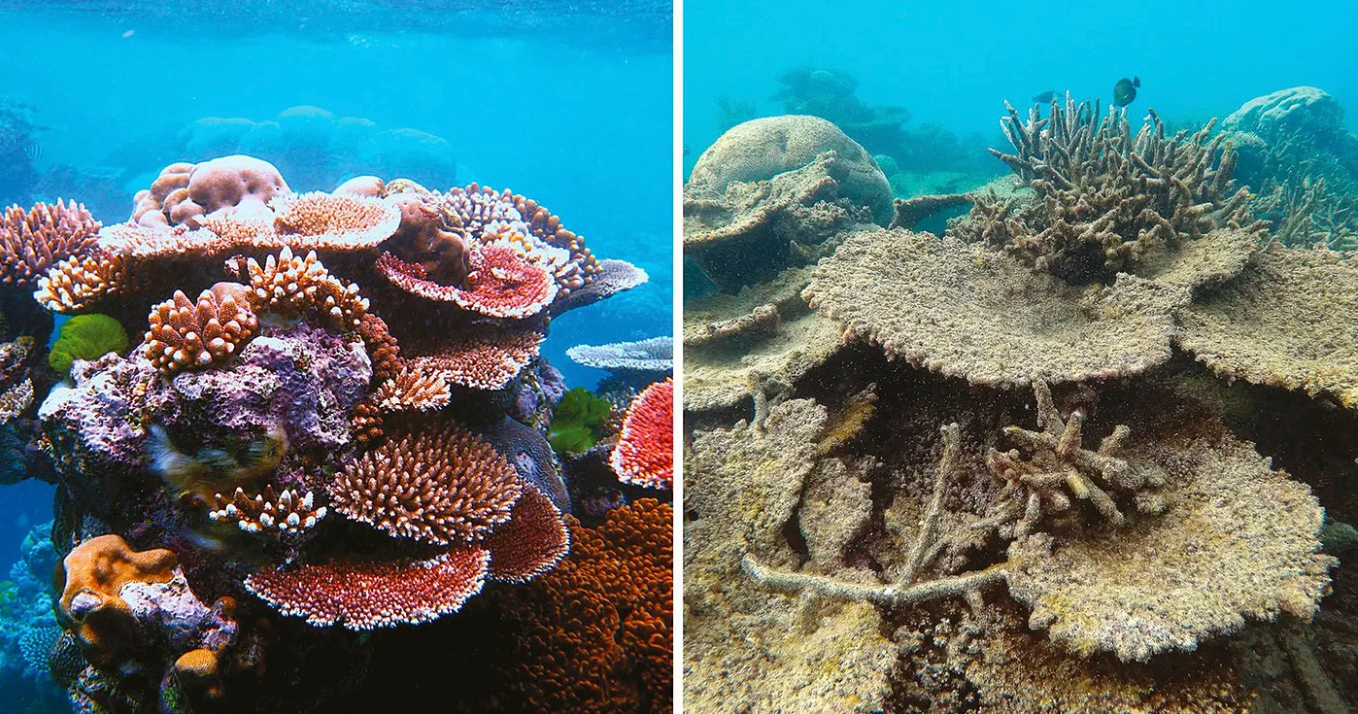
Zooxanthellae are photosynthetic algal microbes that reside within coral cells, converting light into energy in exchange for protection and waste production. This mutualistic relationship sustains reef survival and plays a vital role in maintaining aquatic biodiversity. When stressed by warm temperatures or pollution, corals expel their symbiotic zooxanthellae in a detrimental process called coral bleaching. This turns the corals completely white and leaves them vulnerable to disease and starvation. Coral bleaching has been responsible for massive reef die-offs around the world.
Microbial communities, including bacteria, fungi, and viruses help define key biological traits of complex hosts, as seen in coral. These microorganisms, residing in mucus, tissue, and skeleton contribute to stress tolerance, immune defense, and nutrient cycling. Beneficial microbes can buffer against bleaching by scavenging reactive oxygen species (highly reactive oxygen-containing molecules) that are used to stabilize coral against environmental stressors.
Dr. Cárdenas’ Research Journey
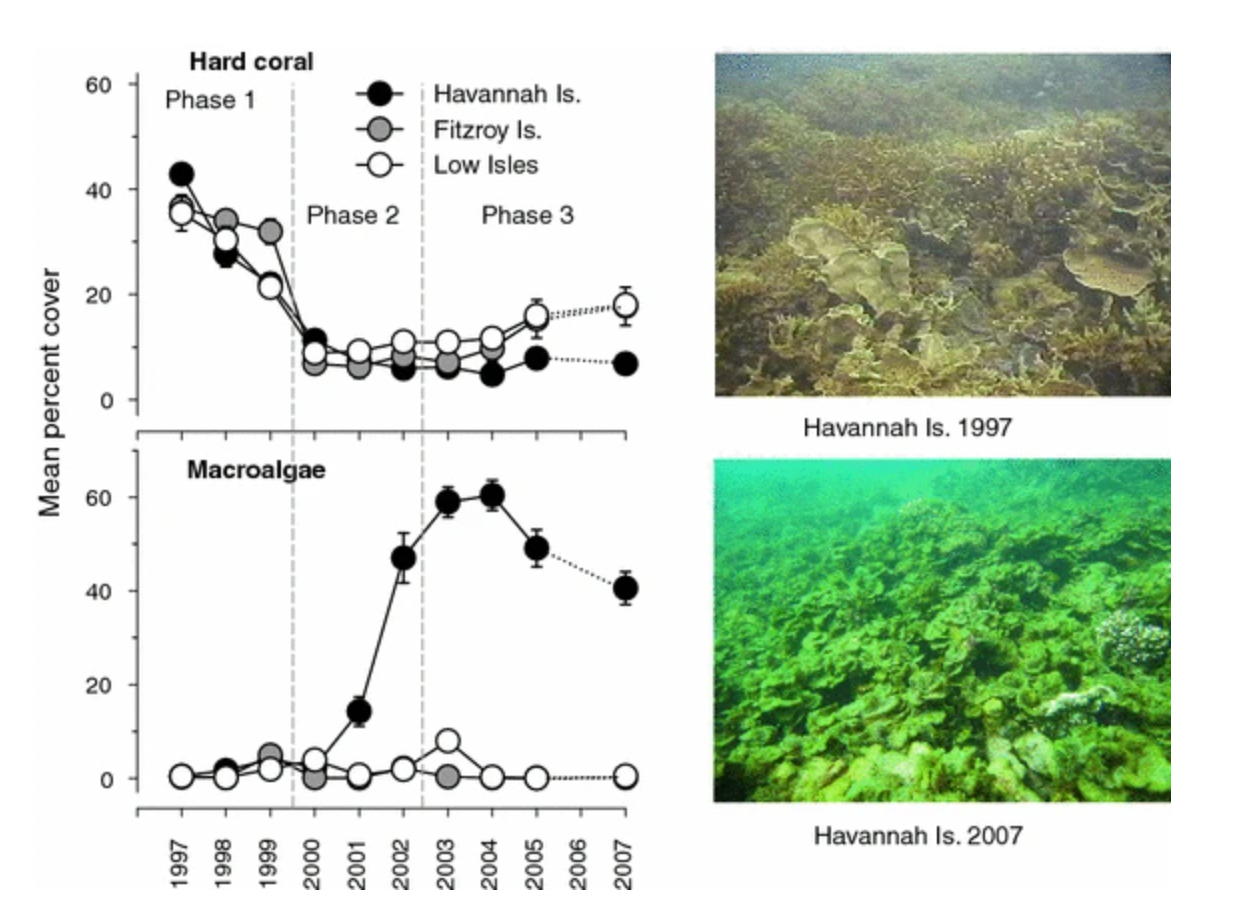
When she began her scientific career, Dr. Cárdenas studied general biology at the Universidad Nacional de Colombia, before narrowing her studies to a graduate degree in marine microbiology at the Max Planck Institute for Marine Microbiology. During her studies, Dr. Cárdenas had the opportunity to collaborate with the Leibniz Center for Tropical Marine Research, where she analyzed interactions between coral and microbes in phase shift environments.
“I learned about general microbial interactions, interkingdom interactions, microbial systems, microbe mechanisms for gene regulation, and I became very passionate about that.”
Following this experience, Dr. Cárdenas pursued a PhD in marine microbiology where she studied thermotolerant coral in the Red Sea, an aquatic ecosystem notable for its exceptionally high temperatures compared to other tropical regions. “This is where I became very interested in understanding how microbes can help coral survive high temperatures,” Dr. Cárdenas explains.
Dr. Cárdenas’ Current Work
Dr. Cárdenas has recently returned from field work on remote islands in the Galapagos, where her team collected and analyzed coral samples. In the lab, her team has worked to identify the specific microbial communities associated with a close spatial association with the algal symbion that inhabits each coral species, in order to evaluate how certain microorganisms might influence algal and by extension coral thermotolerance.
“Much of the variability we see in algal thermotolerance may come down to their microbiome,” says Dr. Cárdenas. “These symbionts don’t function in isolation, they are shaped by the microbial communities they host. If we understand those interactions, we may finally start to explain why some algal partners tolerate heat far better than others, and use that knowledge to better predict or even enhance coral resilience.”
Dr. Cárdenas’ lab is specifically interested in the symbiosis between bacteria and algal endosymbionts. Coral exist in a tripartite symbiosis, where the algal zooxanthellae provide oxygen and organic nutrients and the bacteria aid in metabolic functions and nutrient cycling.
According to Dr. Cárdenas, her team hopes to “assess the same coral species in different locations to see if microbial patterns are common across various environmental sites.” Doing so would help them identify which bacteria and algal communities are associated with (and likely help to promote) healthy, thermotolerant coral.
Microbes and Environmental Adaptation
“Coral reefs in general are pretty much collapsing under climate change,” emphasizes Dr. Cárdenas, “if we want to think about solutions, if we want to protect them or restore them, we first need to understand their biology. Without that foundation, interventions are guesswork.”
A major part of coral biology is influenced by microbial interactions. Microbes are not merely “passengers” that attach to the coral, but rather active partners in determining the physiology of their hosts. As such, they play an important role in contributing to coral resilience in the face of increasingly high temperatures resulting from ocean warming.
Currently, the main objective of Cárdenas’ lab is to further understand microbe-based strategies and interactions that might inform future restoration decisions. This research could eventually be applied towards selecting and breeding corals with higher resilience to environmental change
While the short term goal of her lab is to understand microbes in coral, Dr. Cárdenas hopes to eventually apply this research to create a “cocktail of probiotics” that help corals prepare for heat stress.
Coral reefs are home to thousands of species of fish and other organisms, and provide nurseries and shelters for juvenile populations. Corals also act as submerged breakwaters, protecting coastal communities from flooding, storm surges, and coastal erosion. Research such as Dr. Cárdenas’ is important in identifying microbial strategies to promote coral longevity in the face of warmer, polluted oceans. This work is vital in protecting not only corals, but thousands of marine species, ocean ecosystems, and coastal communities around the world.