
When you think of Alzheimer's disease, what comes to mind? You might immediately associate the disease with cognitive decline and old age, and that would be a reasonable amd accurate connection. Alzheimer's has been viewed for decades as an inevitable consequence of aging rooted entirely in the brain. But this understanding may be incomplete, and the research of Dr. Michal Beeri is aiming to offer a new perspective on the disease. Dr. Beeri is the director of the Herbert and Jacqueline Krieger Klein Alzheimer’s Research Center at Rutgers University, where she conducts clinical studies at the cutting edge of Alzheimer's research. Her findings suggest that the process of cognitive decline may have its roots not within the brain but in peripheral systems affecting metabolism. This emerging perspective raises a critical question: If AD is influenced by metabolic health, could its progression be shaped long before symptoms appear?
Buildup to Breakdown: Beta-Amyloid and Tau
The human brain contains tens of billions of neurons, the fundamental cells of the nervous system that transmit nerve signals throughout the body. The body relies on the proper signaling of this network to function. Neuronal dysfunction leads to neurodegeneration and cognitive decline, two of the most common features of AD.
The damage associated with Alzheimer’s disease has traditionally been traced to the buildup of two key proteins in the brain, which together are the two principal pathologies of AD recognized in medicine.
Think of the brain as a city reliant on two things: clear streets and stable structures. In Alzheimer’s disease, both break down. A protein named Beta-amyloid (Aβ), which is normally produced throughout life, accumulates into sticky plaques between neurons when not cleared properly from the brain, blocking the streets. Meanwhile, the other protein called Tau, which normally acts like supportive steel beams inside nerve cells, fold themselves into tangles called neurofibrillary tangles (NFT). Lacking support, the neuron buildings fall and tangles accumulate. Together, these proteins quietly dismantle the brain’s communication network long before they are discovered.
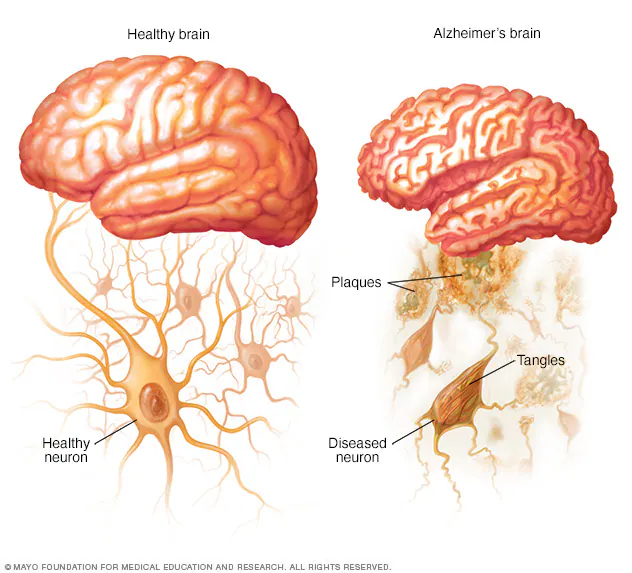
These pathologies are similar in that they both involve the accumulation of dysfunctional proteins, though they arise through different mechanisms within the cell. This raises the question: What causes this dysfunction? Tau and Aβ have traditionally been thought to be the primary drivers behind diseases like Alzheimer’s disease, but what if they themselves are byproducts of earlier processes?
Precursor to the Precursor: Metabolic Impairment
There is still debate over whether metabolic impairment, such as type 2 diabetes, pre-diabetes and obesity, causes AD pathologies or occurs in parallel with them. However, the symptoms associated with it have been recognized as risk factors that can precede clinical signs by years. Because this understanding is relatively recent, the disease has often been recognized only after symptoms have already developed.
“Many people recognize the problem only when they're older and already have symptoms. Pathology of Alzheimer's disease can begin i nmidlife, 20-30 years before clinical signs appear."
— Dr. Michal beeri
Having lost a relative to Alzheimer’s disease and another to diabetes, one captivating question illuminated her path forward after completing her PhD: What is the connection between the two?
While old age remains the strongest risk factor for AD, the misconception that it is simply a natural part of aging persists. In reality, the disease may begin developing decades earlier, with metabolic impairment potentially being a major contributor.
It is important to note that the pathway from metabolic impairment to Alzheimer’s disease is not absolute, but among the leading hypotheses. In type 2 diabetes, there is a significant decrease in production of insulin, a hormone that is critical to brain health. Researchers believe the consequences of low insulin production may extend deep into the brain. The proposed cascade works something like this: When the body does not generate enough insulin, the brain may not get enough insulin itself, which can starve neurons of energy, weaken their ability to repair and communicate, damage the small blood vessels that feed them, and disrupt the blood–brain barrier that normally protects the brain, together increasing the risk of dementia. Each of these processes compound each other silently, and none of them announce themselves with symptoms until significant damage is done.
These mechanisms suggest that the initial development of cognitive decline and AD may be found in earlier metabolic derangements. If these risk factors are closely linked, then lifestyle factors may prove more powerful than once thought in preventing AD, especially since lifestyle is modifiable.
Dr. Beeri’s Research and Future Forecast
Alzheimer’s research has evolved greatly since its inception. Up until the early 2000s, the only way to diagnose the disease was through post-mortem biopsy identifying Aβ plaques and tau tangles. Now, Dr. Beeri’s focus is human clinical research, where she tracks biomarkers in patients to build the understanding of the early stage development of AD.
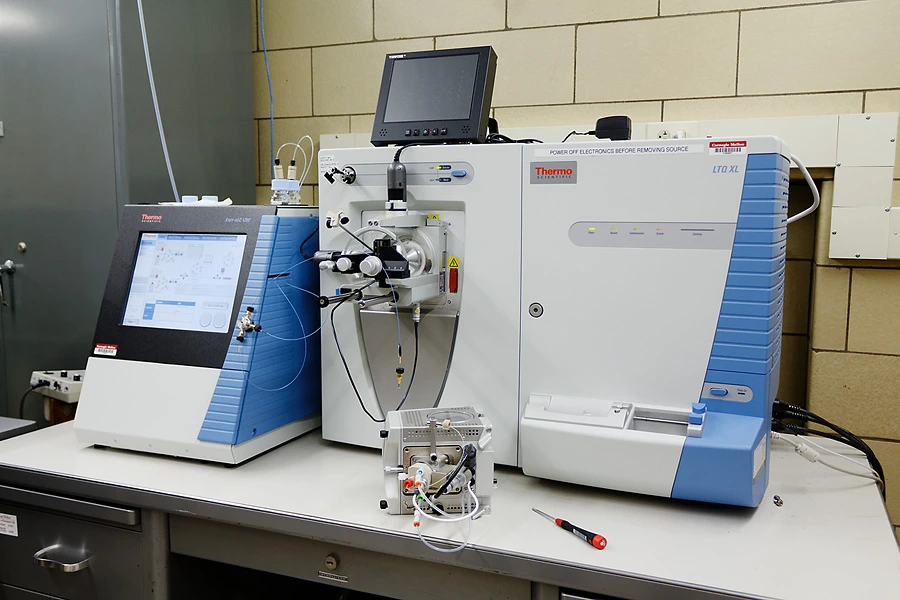
Technological advances in the last few decades, such as mass spectrometry, allow for deep analysis of cells and systems to identify important biomarkers in living subjects. Mass spectrometry allows for the identification of molecules based on their physical properties, enabling precise characterization of complex samples. Combined with advancements in bioinformatics and artificial intelligence, this type of research may allow new disease subtypes to be defined by delineating combinations or dominant pathologies and other biological processes. In the past, biomarkers were analyzed using cerebrospinal fluid samples, providing insight into changes at the molecular level. Now, these biomarkers can be measured through the blood.
One of the more surprising leads in Dr. Beeri’s research involves sugar. Not dietary sugar, but the tiny sugar molecules called glycans that alter the behavior of the proteins they are attached to. This field, called glyoproteomics, is still young, but early findings are striking. According to Dr. Beeri, certain glycan-related modifications have been linked to cognitive decline in diabetics, suggesting a molecular link between metabolic disease and brain function.
In conjunction with the direct study of patients, the study of human neural stem cells (HNSTs) has also become an important field in Alzheimer’s research. HNST are stem cells found in the central nervous system that are self-renewing and can differentiate into specialized nervous system cells. Dr. Beeri notes that these cells can provide a setting in which to test possible treatments, and when correlated with the lifestyle of their owner, possibly model diseases including Alzheimer’s disease. They can create a platform to demonstrate the development of diseases, what affects the function and structure of these neural cells, and how they respond to medications.
Approaches like these highlight the complexity of Alzheimer’s research, where no single method or perspective is sufficient on its own.
“Whoever doesn’t work interdisciplinarily is not working. Alzheimer’s disease is so complex, and there is no single way of seeing it.”
— Dr. Michal beeri
This reflects a broader shift in modern research, where no single discipline is sufficient to explain the disease.
Dr. Beeri believes the most critical research will focus on the etiology of the disease because treatments cannot be developed without understanding its root causes. Because of this reality, current treatments address primarily symptoms and cannot be individualized to a significant degree.
The Preventive Potential of Lifestyle
While research continues to uncover the biological origins of Alzheimer’s, these findings also raise an important implication: if metabolic impairment plays a role in its development, then risk may be modified long before clinical symptoms appear.
Although there is currently no known cure or prevention method, research has shown that there are a number of ways to decrease one’s risk of developing Alzheimer’s disease.
Exercise, particularly aerobic and resistance training that increases muscle mass, has been shown to contribute to a healthy brain. Engaging in these activities improves insulin sensitivity and glucose control, both of which are closely linked to metabolic health. Exercise has also been shown to improve cerebral blood flow and support the brain’s ability to clear metabolic waste.
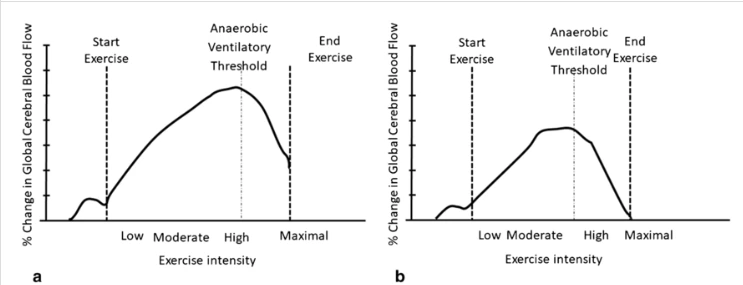
Additionally, exercise stimulates BDNF (brain-derived neurotrophic factor), a protein that supports neuron survival and stimulates neurogenesis. Deficits in this protein have been linked with a range of neurological, psychiatric, and cognitive disorders.
Obesity is one component of metabolic impairment and can be a significant risk factor for AD and other types of dementia. It is linked to cognitive decline and impaired executive function. People with obesity often show brain shrinkage associated with reduced cerebral blood flow and chronic inflammation in the brain. While these associations have been consistent, Dr. Beeri notes that visceral fat may be more strongly associated with dementia risk than overall body mass index.
Many factors, including genetics and metabolic health, contribute to AD risk. Still, Dr. Beeri emphasizes that lifestyle factors such as physical activity, diet, and sleep can play an important role in shaping modifiable risk.
The Urgency Ahead
Dr. Beeri has been propelled forward by her passion for research, but also by the recognition that her research is part of something greater than herself. With aging populations and rates of chronic disease rising globally, Alzheimer’s disease and other types of dementia will affect more and more people globally. The urgency is greater than ever.
What Dr. Beeri’s research ultimately suggests is that Alzheimer’s disease may be, in part, a slow-motion consequence of decisions and dysfunctions that begin decades before the first forgotten name or word. That reframes the disease, not as something that happens to the brain in old age, but as something that has been building within the body for years. The most important window for intervention may not be in a neurology clinic, but in the decades before anyone thinks to look.